
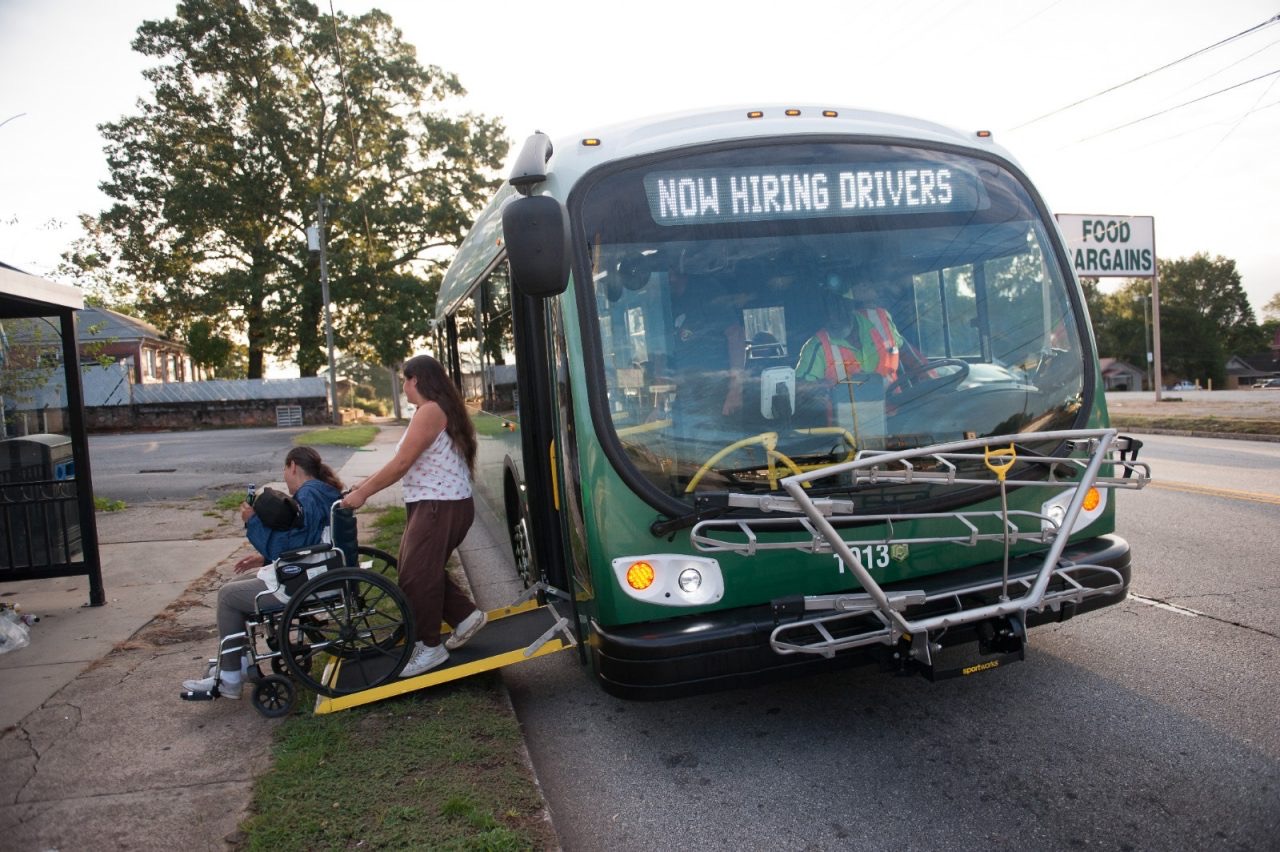
What You Should Know:
- A new analysis shows more than 21% of U.S. adults without access to a vehicle or public transit went without needed medical care last year. These individuals were significantly more likely to skip care than those who reported neighborhood access to public transit services (9%).
- This analysis examining the association between transportation and access to healthcare was conducted by Urban Institute researchers with support from the Robert Wood Johnson Foundation.
Analysing and Addressing Barriers to Healthcare
Research shows that public transportation expansions improve access to health care, especially for people covered by Medicaid.
Using June 2022 data from the Urban Institute’s Health Reform Monitoring Survey (HRMS), it was identified that there exists a link between transportation barriers to healthcare and the association between public transit accessibility and access to care. Focusing on adults without access to a privately owned vehicle, key findings identified are as follows:
- Approximately 5 percent of non-elderly adults did not get needed health care in the past 12 months because of difficulty finding transportation, and this experience was more common among adults with low family incomes (i.e., below 138 percent of the federal poverty level [FPL]), adults with disabilities, adults with public health insurance coverage, and adults without household access to a vehicle.
- While 91 percent of adults reported having household access to a vehicle, this figure was substantially lower among Black adults, adults with low family incomes, adults with a disability, and adults with public health insurance or no health insurance coverage.
- Adults without access to a vehicle who reported living in neighbourhoods with fair or poor access to public transit were significantly more likely to forgo needed health care because of difficulty finding transportation compared with their counterparts reporting excellent, very good, or good neighbourhood access to public transit.
- City-level transit scores from WalkScore.com, based on distance to transit stops and frequency of transit service, were less predictive of access to health care than self-reported measures of neighbourhood public transportation access.
Among the share of adults who did not get needed healthcare in the past 12 months because of difficulty finding transportation, responses varied significantly by demographic and socioeconomic characteristics. Specifically, not getting needed health care because of difficulty finding transportation was significantly less likely among adults with the following characteristics:
- White adults and Asian adults compared with Black and Hispanic/Latinx adults.
- Adults who have family incomes between 139 and 399 percent of FPL or 400 percent of FPL or more compared with adults who have incomes at or below 138 percent of FPL.
- Adults who do not have a disability compared with adults who have a disability.
- Adults who have private insurance compared with adults who have public insurance or no insurance.
- Adults living in an urban area compared with adults living in a rural area.
- Adults who have household access to a vehicle compared with adults who do not have access to a vehicle.
Additionally, it was also identified that demographic and socioeconomic differences in household access to vehicles follow similar patterns as unmet health care needs because of transportation barriers. Further details revealed that:
- 91 percent of adults reported having household access to a vehicle.
- Black adults were significantly less likely to have access to a vehicle than Hispanic/Latinx adults, white adults, Asian adults, or adults of other races.
- Adults with family incomes at or below 138 percent of FPL were significantly less likely to have access to a vehicle than adults with family incomes between 139 and 399 percent of FPL or 400 percent of FPL or more.
Lastly, among adults without a vehicle, self-reported fair or poor public transportation accessibility is strongly associated with not getting needed health care because of difficulty finding transportation, even after adjusting for other demographic, socioeconomic, and geographic characteristics, specifically race/ethnicity, family income, disability status, health insurance coverage, rurality, population density, and major metropolitan area of residence:
- 22 percent of adults reporting the ability to get around without driving in their neighbourhood is fair or poor did not get needed health care, compared with only 9 percent of adults who reported excellent, very good, or good ability to get around without driving.
- Similarly, 21 percent of adults reporting fair or poor access to public transportation had this experience compared with only 9 percent of adults who reported excellent, very good, or good access to transportation.

