
• Skip to main content
  • Skip to secondary menu
  • Skip to primary sidebar
  • Skip to secondary sidebar
  • Skip to footer

  • COVID-19
  • Opinion
  • Health IT
    • Behavioral Health
    • Care Coordination
    • EMR/EHR
    • Interoperability
    • Patient Engagement
    • Population Health Management
    • Revenue Cycle Management
    • Social Determinants of Health
  • Digital Health
    • Artificial Intelligence
    • Blockchain
    • Mobile Health
    • Precision Medicine
    • Telehealth
    • Wearables
  • Startups
  • M&A
  • Value-based Care
    • Accountable Care (ACOs)
    • Medicare Advantage
  • Life Sciences
  • Research

Pharma Deals Vital to Offsetting $2.5B Drug Development Cost

by HITC Staff 12/15/2015 Leave a Comment

  • LinkedIn
  • Twitter
  • Facebook
  • Email
  • Print

Patient Engagement_Pharma Marketing to Physicians

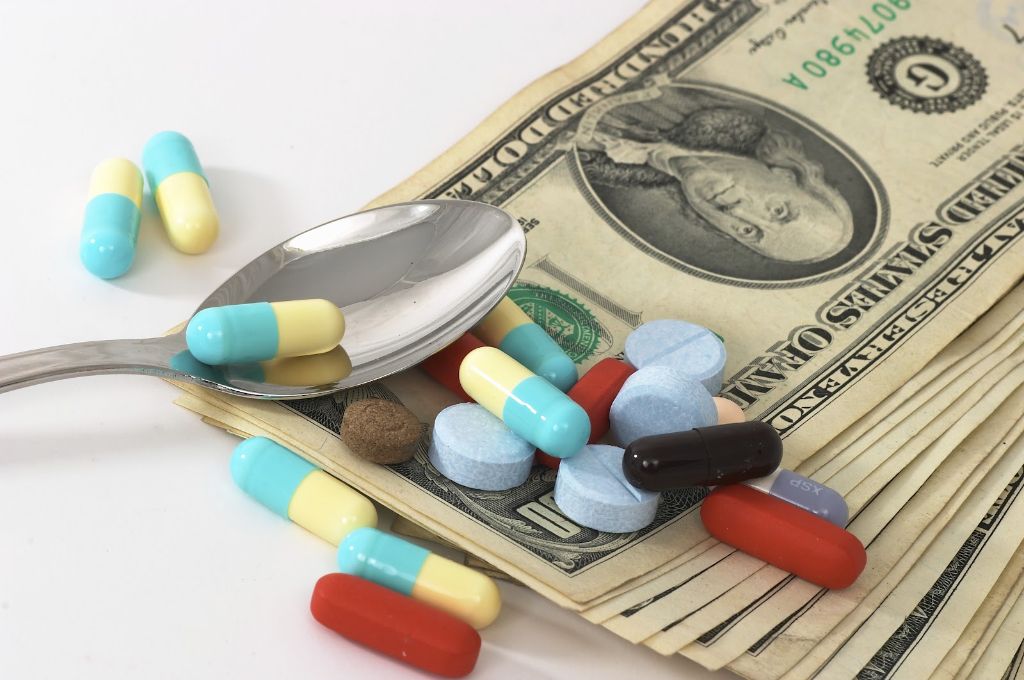
With the average cost of getting a novel drug to market at almost $2.5 billion, and few products achieving blockbuster status, deal-making is becoming increasingly vital for pharmaceutical companies to offset rising Research and Development (R&D) costs, says business intelligence provider GBI Research.

The company’s latest CBR Pharma report* states that pharmaceutical companies are considering various strategies to overcome the current challenges, which also include shifts in patent laws and the struggling global economy, with deal-making the foremost method of boosting short-term revenues.

Priyatham Salimadugu, Analyst for GBI Research, says deal activity can help pharma firms to enhance their research and regulatory approaches, and can aid portfolio expansion and diversification, geographic expansion, entry into niche markets, commercialization, and sales.

Salimadugu explains: “Small companies that primarily carry out research, development and production activities are looking towards entering into agreements with key industry leaders. They are seeking to utilize their strengths in terms of commercialization expertise and global presence in order to boost their revenues.

“Meanwhile, big pharma corporations keen to secure novel and promising molecules are willing to co-operate with small players to expand their portfolios and reduce R&D risks.”

The analyst adds that the shift from small molecules to large molecules, such as antibodies and proteins, has created new opportunities in the pharmaceutical industry, leading to increasing deal numbers.

GBI Research’s report also states that overall pharmaceutical deal values remained between $110 billion and $160 billion from 2010 to 2014, but will rise markedly this year, with a total value of $261 billion already amassed by the end of July 2015, and further increased by more recent deals.

Salimadugu continues: “Deal volume and value have so far increased in 2015 compared with 2014. This creates a pyramid whereby more companies are developing drug molecules at the bottom of the pyramid, than commercializing them at the top, as typified by Pfizer’s recent $160 billion takeover of Allergan.

“Partnerships were the most popular type of deal between January 2014 and July 2015, followed by licensing deals and acquisitions. Though acquisitions were fewer, the disclosed deal value for this category was the highest.”

  • LinkedIn
  • Twitter
  • Facebook
  • Email
  • Print

Get in-depth healthcare technology analysis and commentary delivered straight to your email weekly

Reader Interactions

Primary Sidebar

Subscribe to HIT Consultant

Latest insightful articles delivered straight to your inbox weekly.

Submit a Tip or Pitch

Knowledge Hub

 How Top Health Plans Use AI to Save Money and Work Smarter How Top Health Plans Use AI to Save Money and Work Smarter

 How to Build Hybrid Care Models Around Remote Patient Monitoring How to Build Hybrid Care Models Around Remote Patient Monitoring

Trending

Olive Secures $400M At A $4B Valuation to Support New Instant Claim Payment Solution

Olive Shutters Business After Sale to Waystar and Humata Health

Clinician Shortage Worsens Primary Care Crisis, Experts Reveal

Clinician Shortage Worsens Primary Care Crisis, Experts Reveal

FDA Grants Clearance for UltraSight's AI Cardiac Ultrasound

Israel Defense Forces to Utilize UltraSight’s PoCUS Devices in Combat

The Future of Biomarker-Based Therapy for Mental Disorder Care

The Future of Biomarker-Based Therapy for Mental Disorder Care

HLTH23: 6 Digital Health Executives Share Key Takeaways

6 Digital Health Executives Share Key Takeaways from HLTH23

HIMSS Appoints New Chief Financial Officer & General Counsel

HIMSS Appoints New Chief Financial Officer & General Counsel

GoodRx Now Offers Access to $35 Insulin to All Americans

GoodRx Now Offers Access to $35 Insulin to All Americans

Ozempic: From Diabetes Management to Potential Weight Loss Miracle

Ozempic: From Diabetes Management to Potential Weight Loss Miracle

Health M&A: Financial Distress Driving Q3 Healthcare Deals

Health M&A: Financial Distress Driving Q3 Healthcare Deals

GE HealthCare Inks $44M Contract with BARDA to Develop AI-Driven Ultrasound Tech

GE HealthCare Inks $44M Contract with BARDA to Develop AI-Driven Ultrasound Tech

Secondary Sidebar

Footer

Company

  • About Us
  • Advertise with Us
  • Reprints and Permissions
  • 2023 Editorial Calendar
  • Submit An Op-Ed
  • Contact
  • Subscribe

Editorial Coverage

  • Opinion
  • Health IT
    • Care Coordination
    • EMR/EHR
    • Interoperability
    • Population Health Management
    • Revenue Cycle Management
  • Digital Health
    • Artificial Intelligence
    • Blockchain Tech
    • Precision Medicine
    • Telehealth
    • Wearables
  • Startups
  • Value-Based Care
    • Accountable Care
    • Medicare Advantage

Connect

Subscribe to HIT Consultant Media

Latest insightful articles delivered straight to your inbox weekly

Copyright © 2023. HIT Consultant Media. All Rights Reserved. Privacy Policy |